









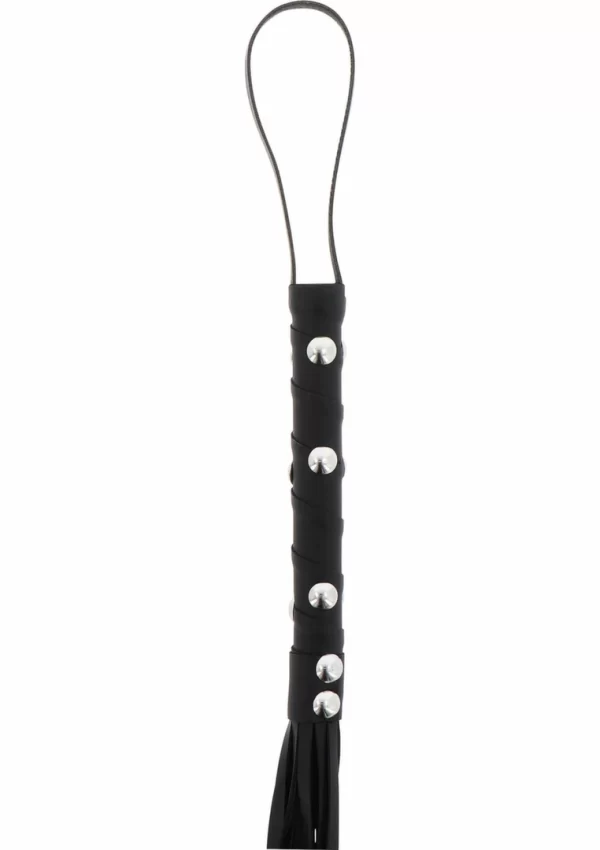


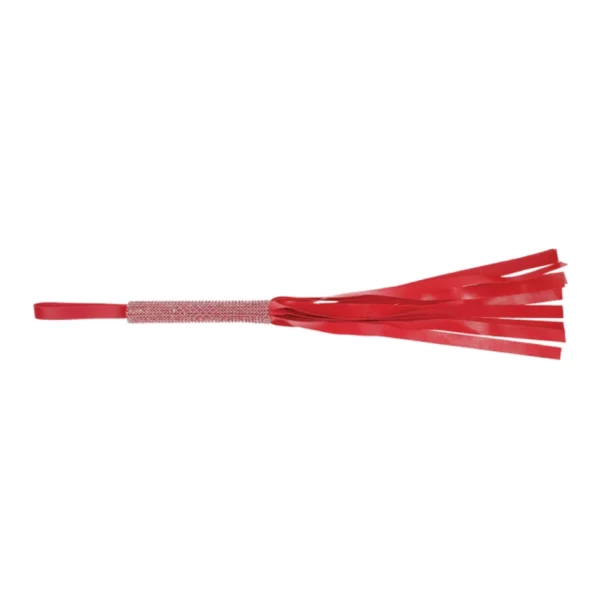
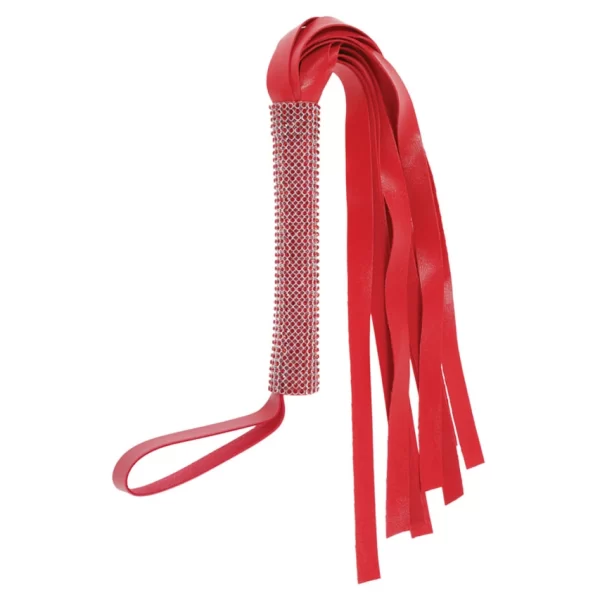


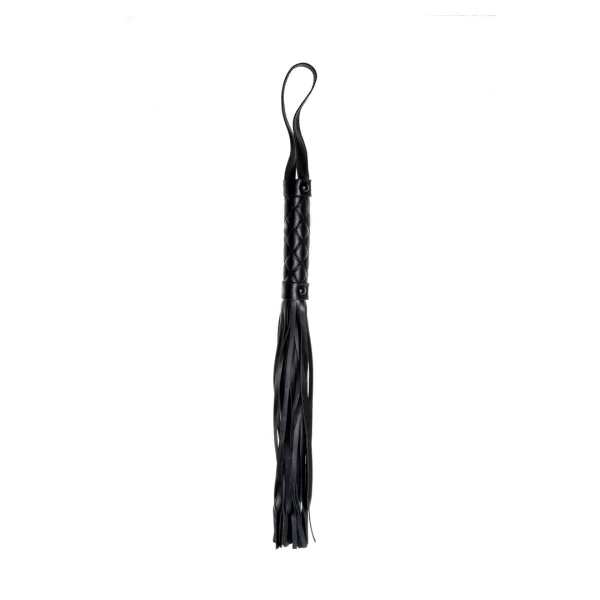



































Whips – The Art of Making an Impression
Few BDSM accessories are as instantly recognisable as a whip. Throughout history, whips have appeared in many settings, from practical tools used with animals to instruments of punishment and symbols of authority. In BDSM culture, that powerful imagery has taken on a different meaning, becoming part of consensual roleplay, impact play and power exchange between adults.
A whip brings more than just physical sensation to a scene. Its movement, sound and appearance can build anticipation and create a sense of drama. Sometimes the moment before anything happens is every bit as exciting as the action itself.
Different Whips, Different Experiences
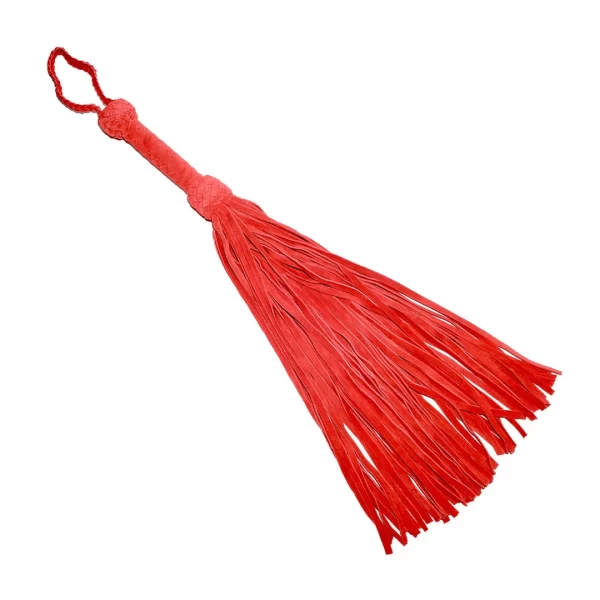
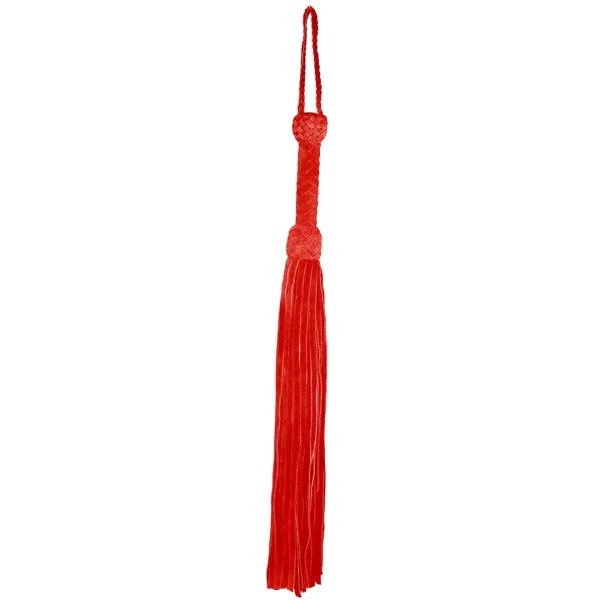
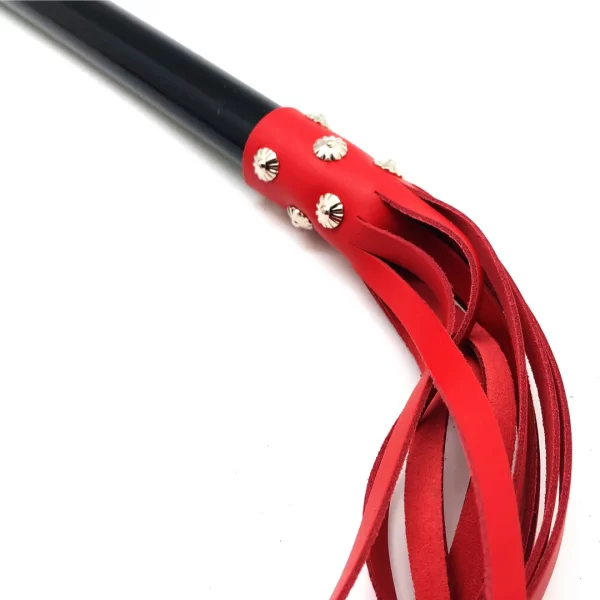
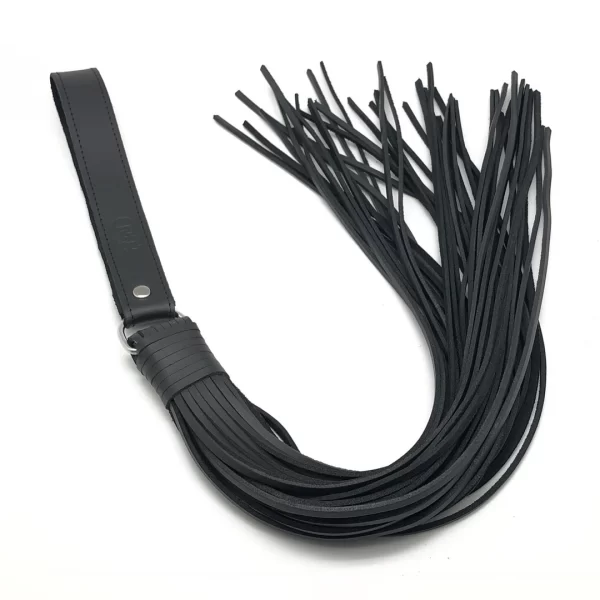
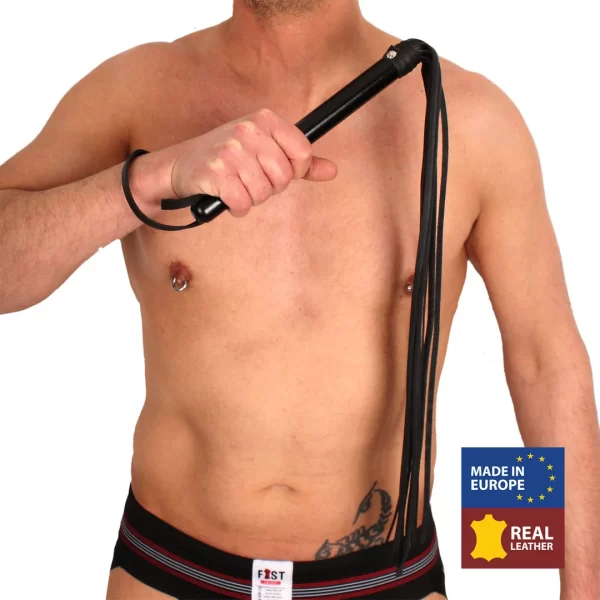
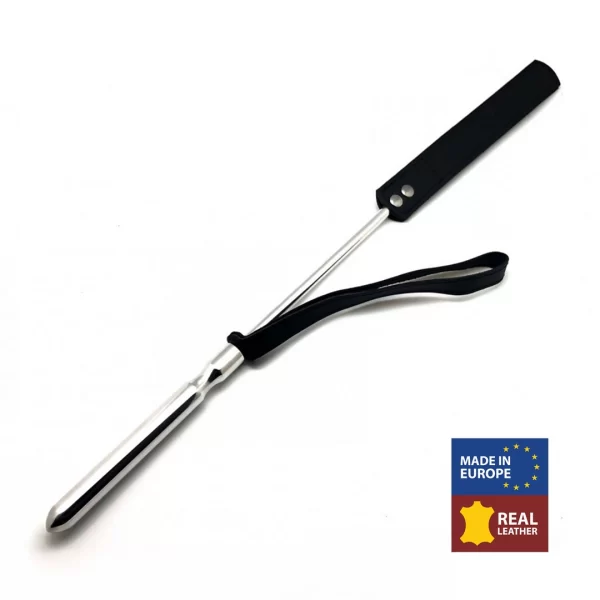
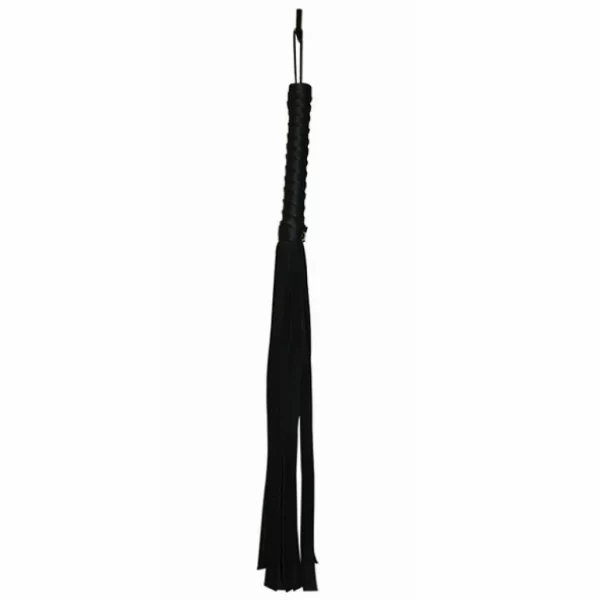
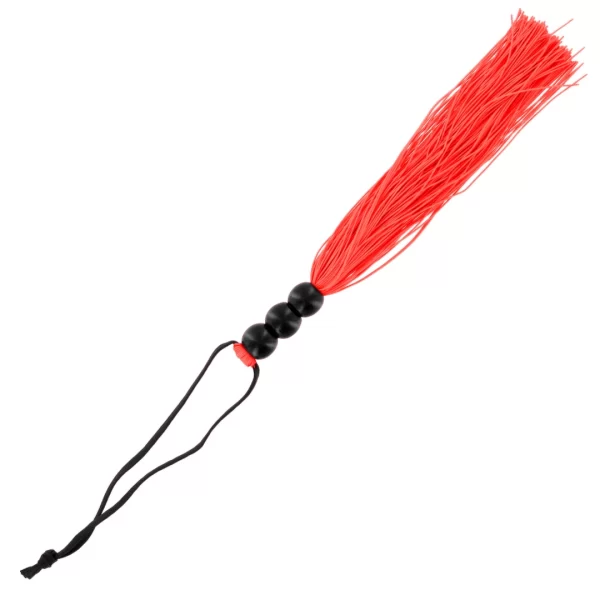
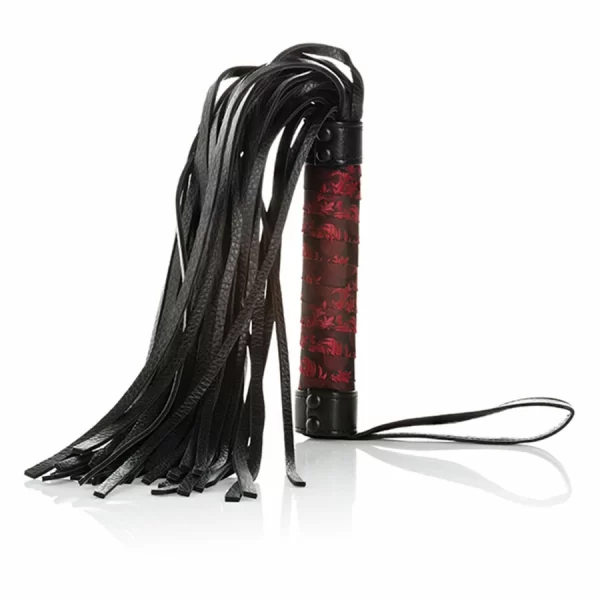
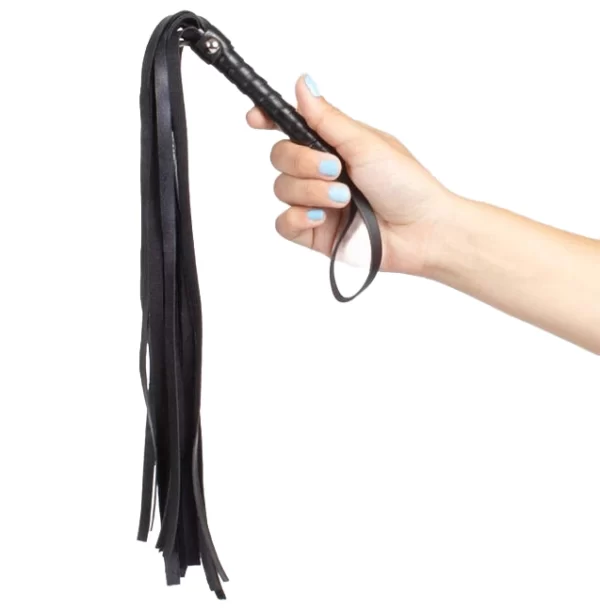
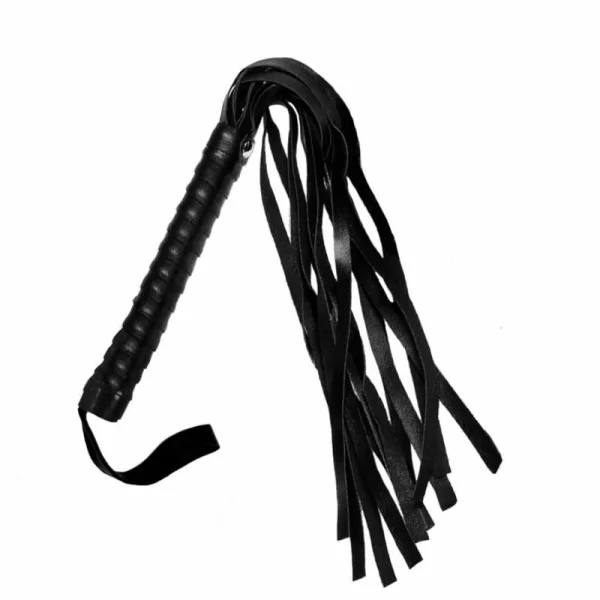
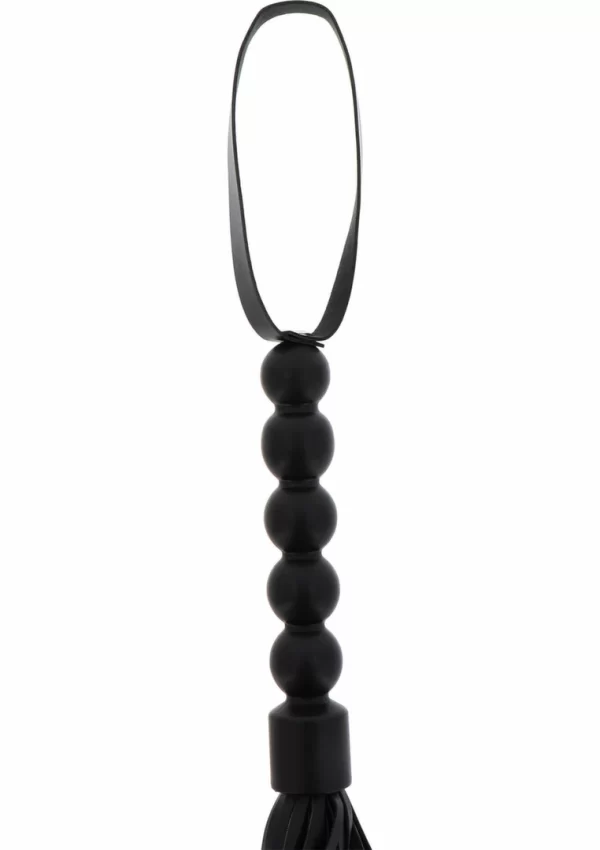
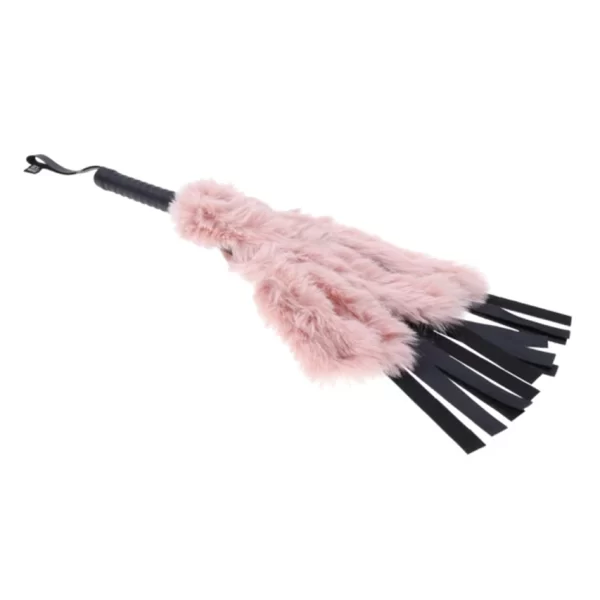
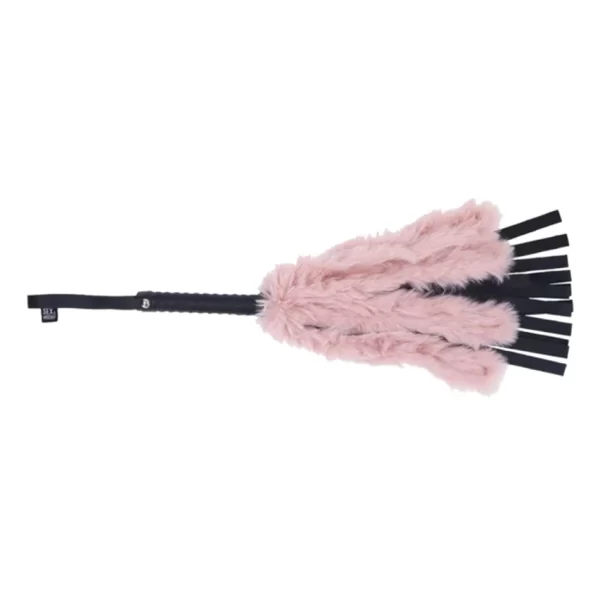
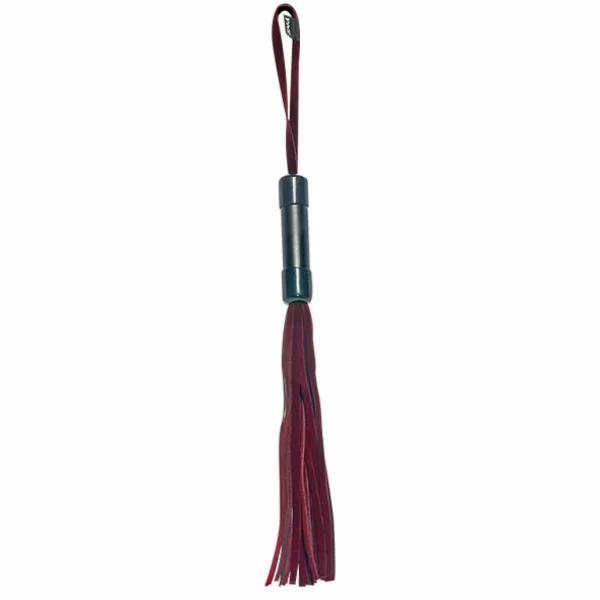
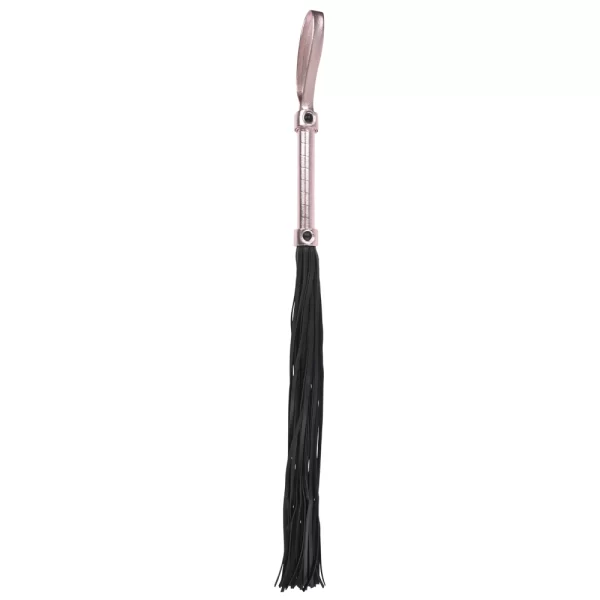
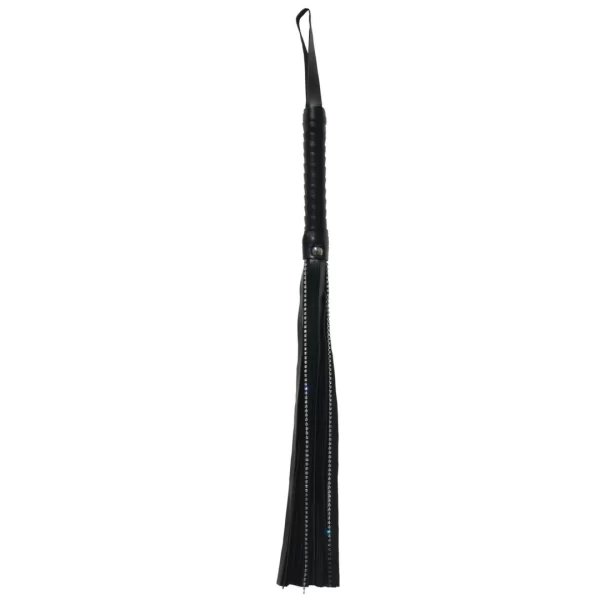
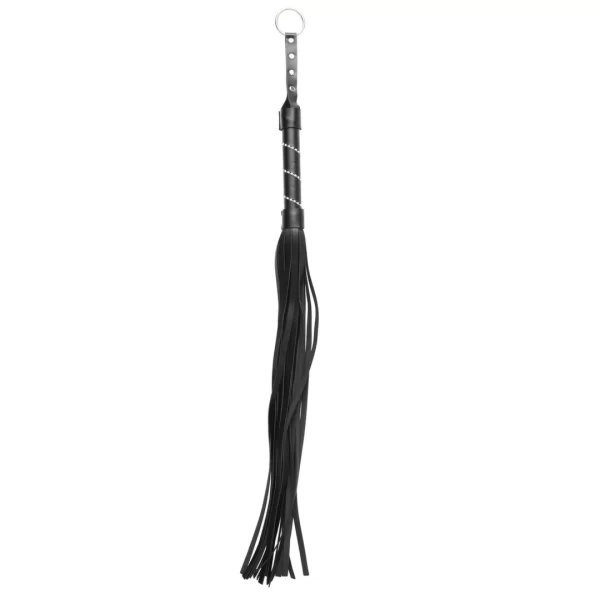
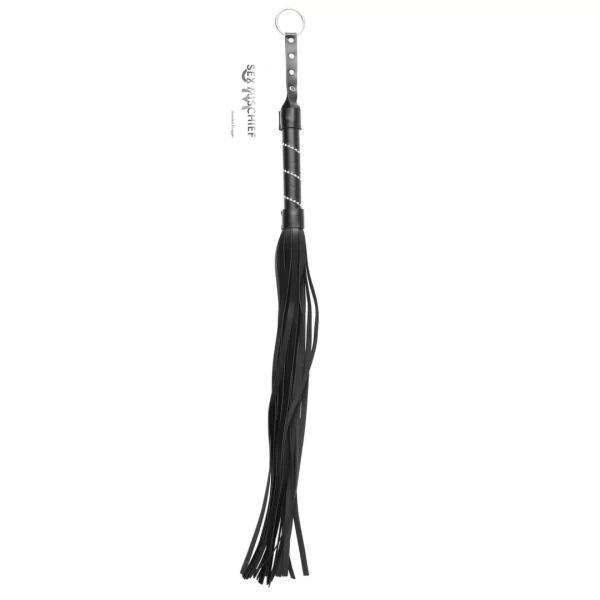
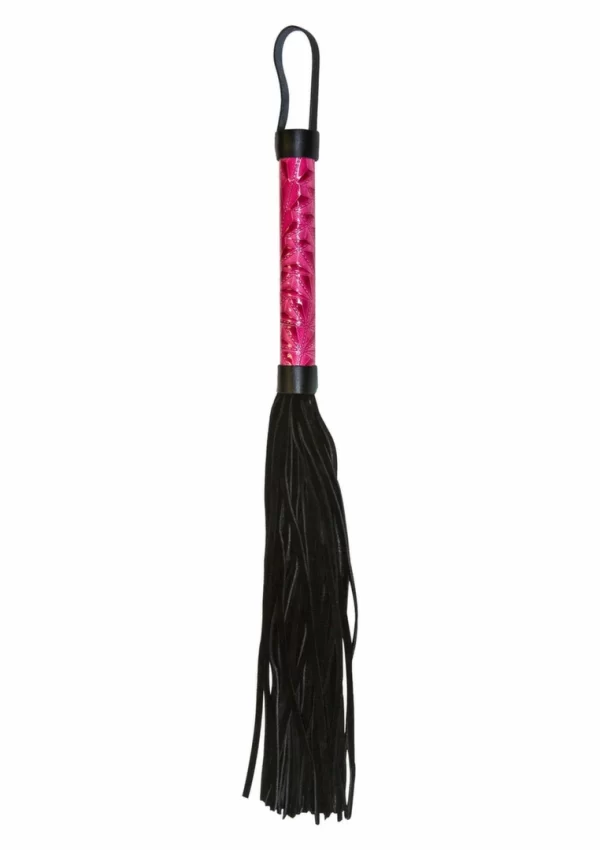
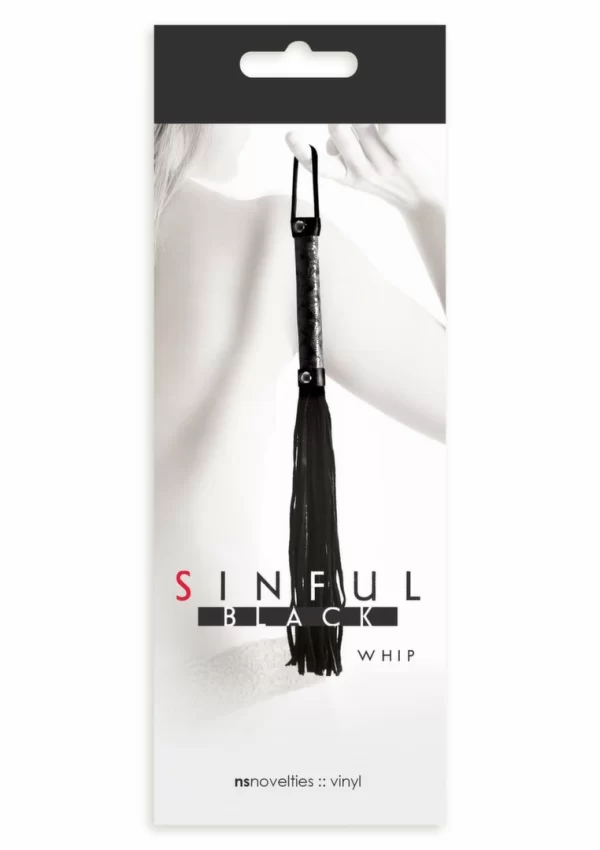
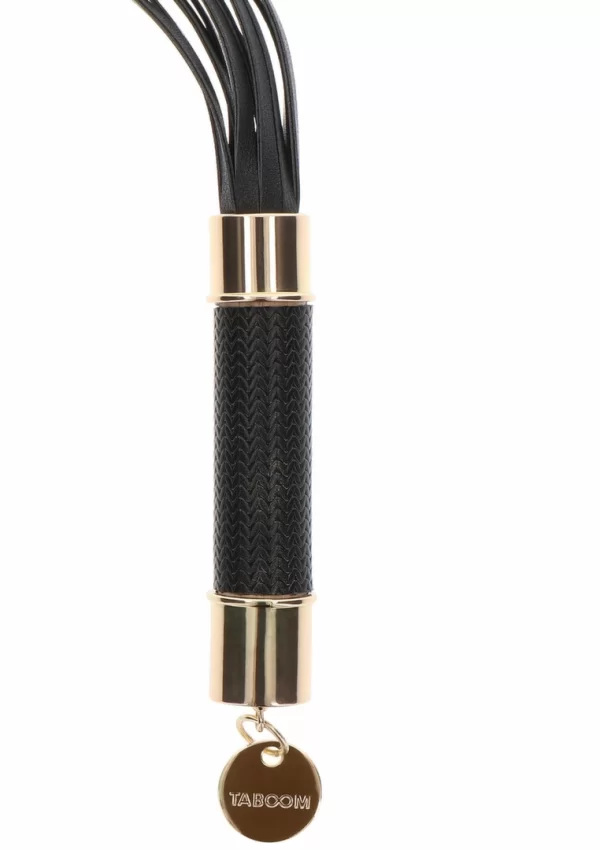
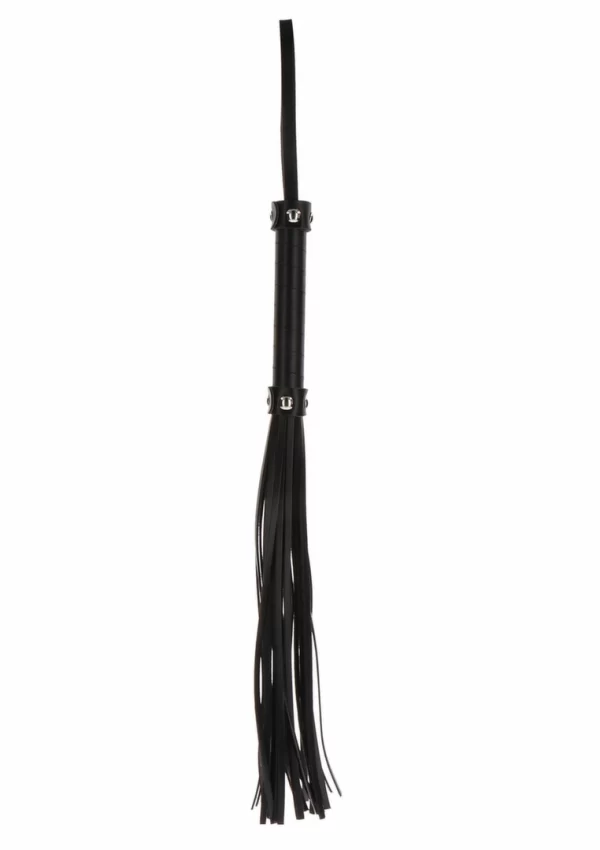
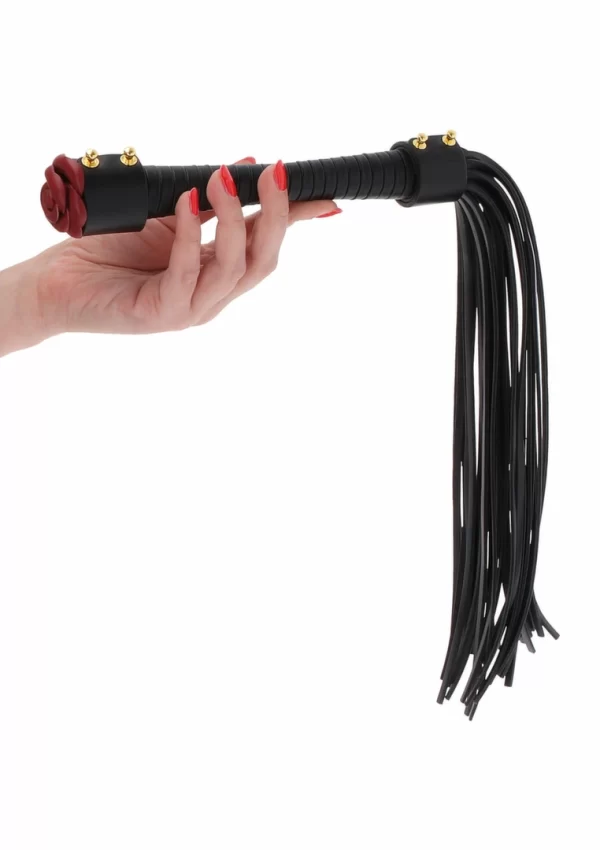
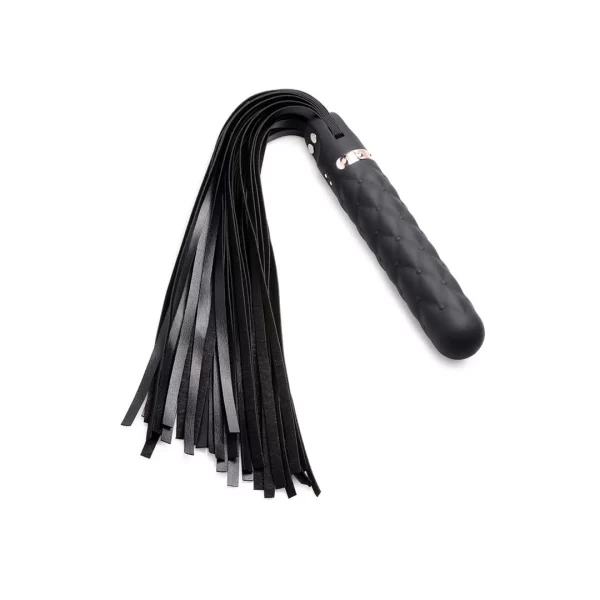
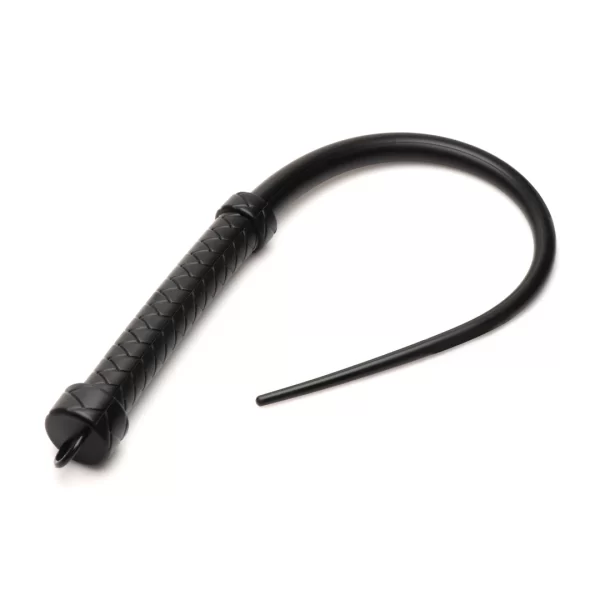
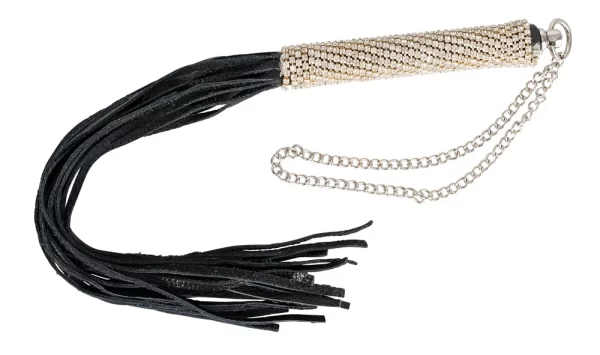
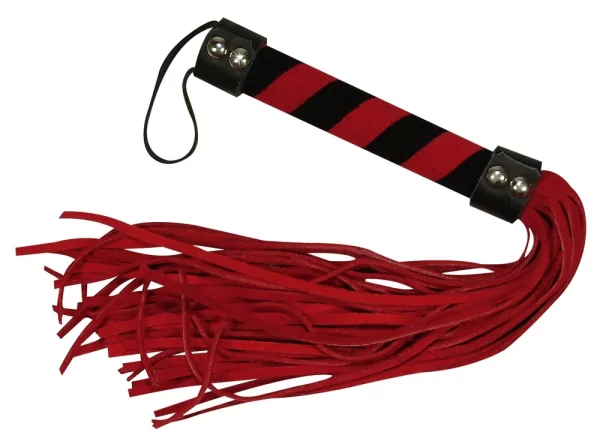
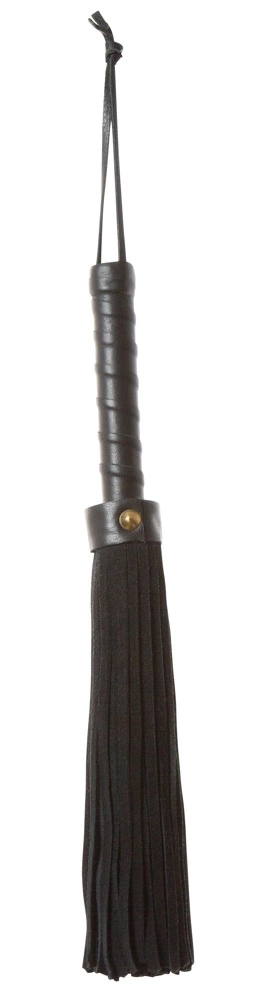
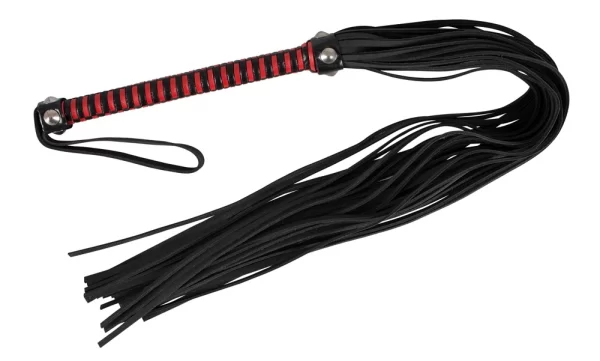
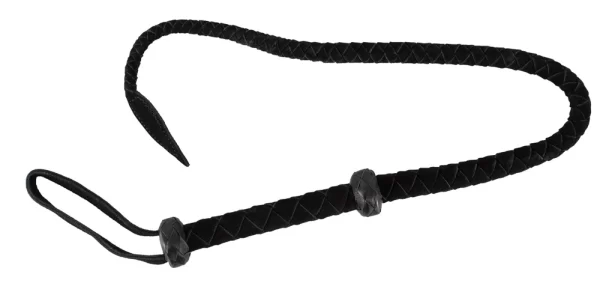
Whips come in many shapes, lengths and materials. Some are designed for a more controlled, focused sensation, while others create a broader or more sweeping movement. Leather, synthetic materials and different handle designs all influence how a whip feels and behaves.
Some styles are made for experienced impact players, while others are better suited to learning about the basics of whip play. The length, flexibility and construction matter, as does the space available to use the toy safely. A long whip may look impressive, but it also needs room and careful handling.
For the Mistress, the Dominant and the Curious
Whips have a natural place in fantasies involving strict Mistresses, confident Dominants, submissive partners and old-fashioned discipline roleplay. They can be part of elaborate scenes or simply add a dramatic finishing touch to a BDSM outfit.
And let's face it: there is a reason the whip has become such a familiar symbol of authority. It certainly knows how to make an entrance. Whether it is used for theatrical effect, teasing or carefully controlled impact play, it can bring a distinctive character to the scene.
Skill, Space and Safety
Whip play requires care and practice. A moving whip can be difficult to control, and the tip may travel much faster than the hand holding it. Learn how the particular whip behaves and practise in a safe, clear space before involving a partner. Never assume that a whip is harmless simply because it looks decorative.
Agree on boundaries and intensity beforehand, establish a safeword and a non-verbal stop signal, and check in throughout the scene. Avoid the head, face, neck, spine, kidneys, joints and other vulnerable areas. Never use a whip near anyone who has not agreed to participate, and make sure there is enough space to avoid accidental contact.
Green means everything is fine, yellow means slow down or check in, and red means stop immediately. Consent remains ongoing and can be withdrawn at any time. Follow the manufacturer's instructions and inspect the whip for damage before use.
A Little Drama Goes a Long Way
A whip can be elegant, intimidating, playful or theatrical. It can represent authority, build anticipation or become the centrepiece of an impact play scene. The important part is not how dramatic it looks, but how thoughtfully and consensually it is used.
After all, a good scene is not about losing control of safety. It's about choosing together exactly how much drama to bring into the game.